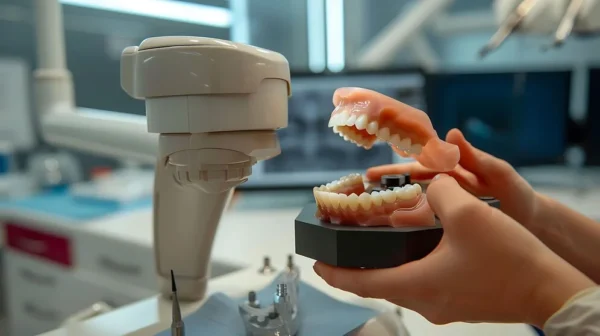
The Great Neck dentist offers an innovative and comprehensive approach to developmental defects like cleft lip or palate to restore oral form, function, and aesthetics. These prosthetic devices are custom-made according to the patient’s mouth to fit securely. Obturators are often made up of materials like metal, acrylic, or silicone based on the patient’s oral needs. A comprehensive guide to obturators An obturator is a prosthetic device used to close a hole or defect in the palate or pharynx, which is the roof of the mouth and throat. It is a custom-made appliance designed to restore the normal function and anatomy of the palate and pharynx, improving speech, swallowing, and overall quality of life. Obturators are used to treat various conditions, including: There are several types of obturators, including: Obturators work by: The process of getting an obturator typically involves the following steps: Consultation: Meet with a maxillo-facial prosthodontist or oral surgeon to discuss your needs and options. Examination: The doctor will examine your palate and pharynx to determine the size and location of the defect. Impressions: Impressions of your palate and pharynx are taken to create a model of your mouth. Fabrication: The obturator is fabricated using the impressions and model. Fitting: The obturator is tried in to ensure a proper fit and comfort. Adjustments: Any necessary adjustments are made to achieve a precise fit. Finalization: The obturator is finalized and ready for use. To ensure the longevity and effectiveness of obturators, proper care and maintenance are essential: By following these care and maintenance guidelines, you can ensure the longevity and effectiveness of your obturator, maintain good oral health, and enjoy improved speech, swallowing, and overall quality of life.
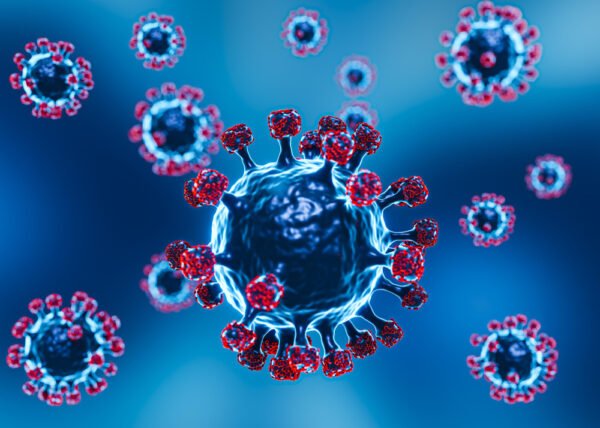
New COVID-19 Variant KP.3 Becomes Dominant in the U.S.
9 June 2024 – New COVID-19 Variant KP.3 Becomes Dominant in the U.S. by The Radamm.com A new COVID-19 variant, KP.3, is now the dominant strain in the United States, accounting for 25% of all cases. This shift occurred over a two-week period from May 26 to June 8, according to data from the Centers for Disease Control and Prevention (CDC). The emergence of KP.3 marks a significant change, overtaking the previously dominant JN.1 variant, which now comprises 22.5% of cases. Rise of the KP.3 Variant The CDC’s Nowcast data tracker, which estimates the current prevalence of COVID-19 variants, has highlighted the rapid ascent of KP.3. This new variant is part of a group known as the FLiRT variants, which also includes KP.2 and KP.1.1. KP.2 makes up 22.5% of cases, while KP.1.1 accounts for 7.5%. KP.3 and KP.2 are notably similar to the JN.1 variant, with only slight genetic differences. However, early data suggests that the mutations present in KP.3 might make it more capable of evading existing immunity, either from prior infections or vaccinations. FLiRT Variants & Their Impact The FLiRT variants, all subvariants of Omicron, have been circulating since early spring. They have genetic similarities to JN.1 but possess unique mutations on their spike proteins, potentially enhancing their ability to bypass the immune defenses built up from previous COVID-19 encounters. Dr. Natalie Thornburg, a senior CDC lab official, noted that these variants are nearly identical, but the minor differences could have significant implications for how the virus spreads and evades immunity. Also, Read: Current COVID-19 Trends in the U.S. Despite the rise of new variants, overall hospitalization and death rates from COVID-19 have declined. However, the CDC has observed an uptick in positive test rates and emergency room visits, signaling a possible increase in infections. The CDC also reported that COVID-19 infections are likely growing in 30 states. Wastewater surveillance data has indicated rising levels of the virus, particularly in the western United States. This surveillance method, which tracks virus levels in sewage, provides an early warning system for potential increases in community infection rates. Upcoming Vaccine Updates In response to the evolving virus, an FDA panel recently discussed updates to COVID-19 vaccines for the fall. Vaccine manufacturers Pfizer, Moderna, and Novavax have all indicated they are ready to produce JN.1-targeted vaccines by August, pending FDA approval. The goal is to release these updated vaccines in the fall, in anticipation of a potential winter surge in COVID-19 cases. The FDA decided to prioritize vaccines targeting the JN.1 variant over those aimed at the newer KP.2 variant. This decision was made to ensure broad immunity against future strains, as the JN.1 variant provides a wider range of protection. Expert Opinions on New Variants Health experts emphasize the importance of remaining vigilant as the virus continues to mutate. Dr. Scott Roberts, an infectious diseases specialist, stressed that while new mutations are expected, they serve as a reminder of the virus’s unpredictability. He urged the public to stay up to date with vaccinations to reduce the risk of severe illness. Dr. Albert Ko, a public health expert, pointed out that while the FLiRT variants have mutations that may give them an advantage over previous strains, it is still too early to determine their full impact. He advised that the emergence of KP.2 and KP.3 should be closely monitored, but there is no need for immediate alarm. Prevention & Protection Strategies Vaccination continues to be pivotal in combating the COVID-19 pandemic. The CDC recommends that everyone eligible for the vaccine ensure they are up to date with the latest doses. While vaccines may not completely prevent infection, they significantly lower the risk of severe illness, hospitalization, and death. Other preventive measures include testing for COVID-19 if symptoms appear or after known exposure, staying home when sick, practicing good hand hygiene, improving indoor ventilation, and wearing masks in crowded, indoor spaces. These strategies, combined with vaccination, offer a comprehensive approach to reducing the spread of the virus. Read More: Potential for a Summer Surge While some experts predict a possible summer surge in COVID-19 cases, it is unclear whether it will be significant. Historically, summer waves have been smaller than those seen in winter. Factors such as low vaccination rates and waning immunity may contribute to a more susceptible population, allowing the FLiRT variants to spread more easily. Dr. William Schaffner, an infectious diseases expert, noted that while the KP.2 variant appears to be more transmissible, it is too soon to predict its full impact. He highlighted the need to monitor trends and remain prepared for potential increases in cases. Current Situation and Future Outlook Despite the rising cases linked to new variants, the overall situation remains manageable. Test positivity rates and emergency room visits have increased slightly, but hospitalization rates are still low compared to previous peaks. The upcoming release of updated vaccines aims to bolster immunity and mitigate the impact of future COVID-19 waves. The SARS-CoV-2 virus continues to integrate into daily life, with ongoing mutations and the emergence of new variants. As the public adapts to these changes, staying informed and following recommended health guidelines will be essential in navigating the evolving pandemic landscape. Conclusion The rise of the KP.3 variant underscores the dynamic nature of the COVID-19 virus. While challenges remain, continued vigilance, vaccination, and adherence to preventive measures will play a crucial role in managing the impact of new variants and protecting public health.

Cops Hospitalized for Suspected Food Poisoning
8 June 2024 – Cops Hospitalized for Suspected Food Poisoning By The Radamm.com In an unfortunate turn of events, several police personnel found themselves battling illness after consuming food provided during a tactical training course at the Specialised Operations Division headquarters in Kingston, Jamaica. The incident, suspected to be a case of food poisoning, led to the hospitalization of multiple officers, highlighting concerns over food safety protocols during such events. Incident Unfolds During a Level 2 Tactical Training Course on Thursday, a group of law enforcement officers from various police divisions partook of meals provided as part of the training regimen. However, shortly after consuming the food, distressing symptoms began to manifest among the officers. Reports indicate that a total of 11 officers began experiencing symptoms such as vomiting and diarrhea, prompting immediate medical attention. Medical Response The severity of the situation necessitated urgent medical intervention, leading to the swift transportation of affected personnel to a nearby medical hospital. Among the officers, one constable’s condition was deemed critical, leading to his admission to the hospital ward. Fortunately, medical authorities have assured that his condition is not life-threatening. Meanwhile, the remaining officers underwent medical treatment for their symptoms, with some subsequently being released after receiving necessary care. Also, Read: Extent of Affliction The toll of the suspected food poisoning incident was significant, with at least 10 policemen requiring medical attention as a result of consuming the provided lunches. While efforts were made to address their symptoms promptly, the gravity of the situation meant that seven officers are still undergoing treatment, underscoring the serious nature of the illness they have endured. However, there is a glimmer of relief as three officers have already been treated and discharged from the hospital, signaling progress in their recovery. Concerns Raised The incident has raised pertinent concerns regarding food safety measures during such training exercises, prompting a closer examination of the catering arrangements provided to personnel. While tactical training courses are essential for law enforcement preparedness, ensuring the well-being of participants, including their dietary requirements, is equally imperative. This incident serves as a stark reminder of the potential risks associated with lapses in food safety protocols, highlighting the need for stringent measures to prevent similar occurrences in the future. Authorities Respond In response to the incident, authorities have initiated investigations into the circumstances surrounding the suspected food poisoning. Preliminary inquiries are aimed at identifying the source of the contamination and assessing the adequacy of existing food handling practices. Additionally, measures are being implemented to bolster food safety protocols to prevent the recurrence of such incidents and safeguard the health and well-being of police personnel participating in training activities. Read More: Community Support Amidst the challenges posed by the incident, expressions of support and solidarity have poured in from the community and fellow law enforcement agencies. The welfare of the affected officers remains a priority, with efforts underway to provide them with the necessary support and assistance during their recovery process. The resilience and dedication exhibited by the officers in the face of adversity serve as a testament to their unwavering commitment to upholding public safety and security. Conclusion As the affected officers continue their recovery journey, the incident serves as a poignant reminder of the inherent risks faced by law enforcement personnel in the line of duty. While the circumstances surrounding the suspected food poisoning are being diligently investigated, it underscores the importance of prioritizing the health and safety of those who selflessly serve their communities. Moving forward, concerted efforts must be made to strengthen food safety measures and mitigate risks to ensure the well-being of all personnel involved in training exercises and operational activities.