
The German flag during World War I holds a significant place in history, reflecting the era’s complex political and military dynamics. As historians and enthusiasts seek to understand the past, the WW1 German flag emerges as a powerful symbol of the German Empire’s ambitions and identity. This article will explore the design, symbolism, and evolution of this iconic flag, providing a comprehensive guide for those interested in this pivotal period. Historical Context of the WW1 German Flag Pre-War Flag Design Before World War I, Germany was known as the German Empire or the “Kaiserreich,” ruled by Kaiser Wilhelm II. The official flag of the German Empire from 1871 to 1918 featured three horizontal stripes: black, white, and red. This tricolor design was emblematic of the newly unified German state, representing the blending of Prussian black and white with the red of the Hanseatic League. Changes During WW1 Throughout the war, the German Empire maintained the black, white, and red flag as its national banner. However, specific branches of the military, such as the Imperial German Navy, used variations that included additional symbols. The Reichskriegsflagge, or war flag, incorporated the Iron Cross and a canton featuring the Imperial Eagle, signaling military prowess and national pride. Symbolism and Meaning Colors and Emblems The colors black, white, and red held profound significance within the German Empire. Black symbolized determination and power, white conveyed purity and innocence, and red represented strength and valor. The Iron Cross, a prominent element on military flags, was a Prussian military decoration signifying bravery and heroism. Comparisons with Other Nations’ Flags Design Differences and Similarities During WW1, many nations used flags to express national identity and military strength. The German flag’s bold tricolor scheme distinguished it from the Allied powers, such as France’s blue, white, and red, and Britain’s Union Jack. While all these flags symbolized national unity, the German flag’s incorporation of military symbols like the Iron Cross set it apart as a marker of imperial ambition. Post-War Developments Weimar Republic Changes After Germany’s defeat in World War I, the nation underwent significant political transformation, leading to the establishment of the Weimar Republic in 1919. Consequently, the flag was changed to black, red, and gold to symbolize a new democratic beginning. This transition marked a departure from the imperial past, reflecting the nation’s desire to forge a new identity. Preservation and Collectibles Tips for Collectors As interest in WW1 memorabilia grows, collectors seek authentic flags from this era. Genuine WW1 German flags are rare and highly valued. Collectors should look for provenance and condition, as well as expert authentication, when acquiring these historical items. Participating in auctions or consulting with museum curators can provide valuable insights. Resources and Further Reading German War Museum – Explore extensive collections of WW1 artifacts and flags. History of Germany – Detailed articles on Germany’s political and military history. Imperial Flags – A database of historical German flags and their symbolism. Key Takeaways The WW1 German flag stands as a testament to the German Empire’s historical and cultural identity. Its iconic colors and symbols evoke the era’s complex political landscape and military heritage. Understanding this flag’s history allows us to appreciate its legacy and the profound transformations that followed the war. Frequently Asked Questions What did the German flag look like during WW1? The WW1 German flag featured three horizontal stripes of black, white, and red. Military branches, like the Imperial Navy, used variations with symbols such as the Iron Cross. Why did the German flag change after WW1? Following WW1, Germany became the Weimar Republic, adopting a new flag with black, red, and gold to symbolize democracy and a break from the imperial past. Are there surviving examples of WW1 German flags? Yes, surviving examples are rare but can be found in museums and private collections. Authentic flags are highly sought after by collectors. What symbols were used on the WW1 German military flags? WW1 German military flags often featured the Iron Cross and the Imperial Eagle, representing military honor and national pride. The journey through the history and symbolism of the WW1 German flag reveals much about Germany’s past and its enduring cultural legacy. For those inspired to delve deeper, exploring museum exhibits or engaging with historical societies offers a window into this fascinating era.
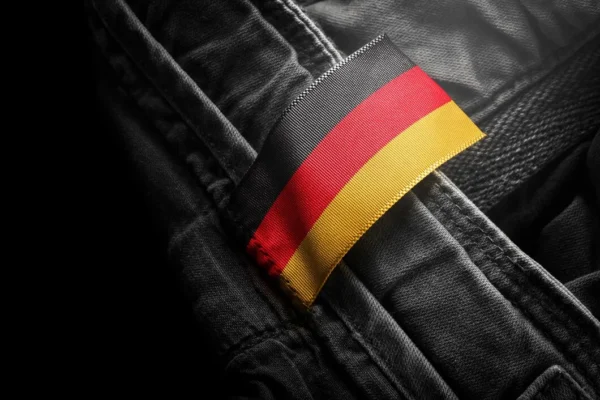
The German Flag During World War 1: A Historical Overview
Introduction The German flag, a national symbol with deep historical roots, underwent significant changes during World War I—a period marked by turmoil and transformation. For history enthusiasts and researchers alike, understanding the flag’s evolution during this era provides insights into Germany’s national identity and political landscape. This article explores the historical context, design, symbolism, and evolution of the German flag from 1914 to 1918, offering a detailed look at a pivotal period in German history. Historical Context of the German Flag Pre-WW1 German Flags Before World War I, Germany was unified under the German Empire, established in 1871. The flag of this period, known as the Reichsflagge, featured horizontal stripes of black, white, and red. These colors represented the North German Confederation and the Prussian-led unification of the German states. The flag symbolized the strength and unity of the newly formed empire. The German Empire Flag (1871-1918) The German Empire flag was more than just a national symbol; it was an emblem of imperial power and ambition. The black, white, and red colors were deeply rooted in German heraldry, with black and white representing Prussia and the red symbolizing the Hanseatic League. This flag flew over government buildings, military establishments, and was a common sight in public ceremonies. Changes in the German Flag during WW1 Symbolism and Design The German flag during World War I retained its black, white, and red tricolor design, but its symbolism evolved. The colors became a rallying point for the German military and were prominently displayed on the battlefield. These colors, representing unity and strength, were used extensively in propaganda to bolster national morale and support for the war effort. Usage in Military and Civil Contexts During World War I, variations of the flag were used by different branches of the military. The naval ensign included an iron cross, a symbol of military honor, on its design. Civilian use of the flag was also widespread, as it was a visible representation of patriotism and loyalty to the Kaiser and the German Empire. Post-WW1 Flag Evolution Weimar Republic Flag Changes Following Germany’s defeat in World War I and the subsequent abdication of Kaiser Wilhelm II, the Weimar Republic was established. This period saw the adoption of a new flag design: black, red, and gold. These colors, harking back to the 1848 revolutions, symbolized democratic aspirations and marked a departure from the imperial past. Cultural and Political Significance The German flag during World War I was a potent symbol of national identity and pride. However, its association with the imperial regime and military defeat led to its eventual replacement. The flag’s evolution reflects broader political changes in Germany, illustrating how national symbols can embody the shifting tides of history. Conclusion The German flag during World War I is a testament to a nation in transition. From its imperial roots to its role in wartime propaganda, the flag symbolized both unity and division. Understanding its history provides valuable insights into Germany’s national identity and the broader geopolitical shifts of the early 20th century. As you explore the intricate history of the German flag, consider how these colors have continued to shape perceptions of Germany’s past and present. Frequently Asked Questions What did the German flag look like during WW1? The German flag during World War I featured horizontal stripes in black, white, and red. This design represented the German Empire from 1871 to 1918. How did the design of the German flag change after WW1? After World War I, the Weimar Republic adopted a new flag design with black, red, and gold stripes, symbolizing democratic values and a break from imperial traditions. What was the significance of the colors on the WW1 German flag? The black, white, and red colors were tied to Prussian heritage and German unity, serving as symbols of national strength and pride during the war. Were there any controversies surrounding the WW1 German flag? The flag’s association with the imperial regime and its military defeat led to controversy and its eventual replacement post-war, reflecting changing political sentiments. How was the German flag used in WW1 propaganda? The flag was prominently featured in wartime propaganda to evoke national pride and support for the military efforts, serving as a visual symbol of unity and strength. For those intrigued by the complex history of national symbols, the story of the German flag during World War I offers a fascinating glimpse into the interplay between identity, politics, and culture.

Chinese Ambassador Outlines Plans to Strengthen Relations with Jamaica
4 June 2024: Chinese Ambassador Outlines Plans to Strengthen Relations with Jamaica by TheRadamm.com Chinese Ambassador to Jamaica, Chen Daojiang, recently addressed the media during a press briefing to commemorate his second anniversary as the top local representative of the Republic of China. During this briefing, Ambassador Chen outlined several strategic plans aimed at fortifying the bilateral relations between China and Jamaica. Enhancing Community Connections One of the key initiatives highlighted by Ambassador Chen is the intention to deepen ties at the community level. To achieve this, the embassy will carefully select local entities in Jamaica that are friendly to China and actively engaged in improving the livelihoods of the Jamaican people. These selected entities will be honored with the prestigious title of “Family of China-Jamaica Friendship,” emphasizing the importance of grassroots connections in fostering strong diplomatic relations. Recognizing Contributions to Friendship In addition to strengthening community bonds, Ambassador Chen emphasized the significance of recognizing people or individuals who have made outstanding contributions to promoting friendship between China and Jamaica. To this end, the embassy will present the ‘Award of China-Jamaica Friendship’ to Jamaican citizens who have demonstrated exceptional dedication to enhancing bilateral ties. Streamlining Visa Processes Facilitating easier travel between the two countries is another priority for Ambassador Chen. China is set to simplify its visa application process for Jamaican nationals by granting temporary exemptions for qualified applicants from fingerprint collection. Furthermore, Jamaican travelers will benefit from a 25% discount on visa application fees. These measures aim to promote smoother travel experiences and encourage greater exchange between the two nations. Reviving Sports Cooperation Highlighting the importance of sports diplomacy, Ambassador Chen announced the resumption of the China-Jamaica sports coaching cooperation program. Despite disruptions caused by the pandemic, China remains committed to supporting Jamaica in the field of sports. As part of this program, 138 Jamaican athletes will travel to China to undergo a 60-day training program encompassing various disciplines such as swimming, gymnastics, badminton, women’s volleyball, and women’s basketball. Read More: Celebrating a Shared History This year marks the 170th anniversary of the arrival of the first Chinese immigrants in Jamaica. In recognition of this milestone, Ambassador Chen revealed plans for a grand celebration to be held from July to October. This event will serve as a good testament to the historical and cultural ties between China and Jamaica, further strengthening the bond between the two nations. Emphasizing Trade Relations Ambassador Chen underscored the thriving trade relationship between China and Jamaica, with China emerging as Jamaica’s second-largest trading partner. In 2023 alone, the trade volume between the two countries amounted to US$1.28 billion, highlighting the robust economic cooperation between China and Jamaica. Looking ahead, Ambassador Chen expressed optimism about the potential for further collaboration in investment and trade, as well as in sectors such as new energy, agriculture and fisheries, the digital economy, and the blue economy. Ambassador’s Vision for the Future: A Shared Path Forward In a signature article titled “Forging Ahead Into the Future, Jointly Ushering in a New Chapter of China-Jamaica Relations,” Ambassador Chen articulated his vision for the future of bilateral ties between China and Jamaica. He highlighted the forthcoming visit of H.E. WANG Yi, Chinese Minister of Foreign Affairs, to Jamaica as a significant milestone in strengthening strategic cooperation between the two nations. Enriching Strategic Relations The upcoming visit of Minister WANG Yi represents the first high-level interaction that has been offline between China and Jamaica since the onset of the pandemic. Ambassador Chen expressed confidence that this visit would enrich the strategicness of China-Jamaica relations and promote pragmatic cooperation across various fields. Reinforcing Mutual Trust Ambassador Chen emphasized the importance of consolidating strategic mutual trust between China and Jamaica. He noted the close interactions between leaders of both countries and underscored their shared commitment to supporting each other’s interests and major concerns. Promoting People-to-People Exchanges In addition to strengthening governmental ties, Ambassador Chen highlighted the importance of fostering people-to-people exchanges between China and Jamaica. He emphasized the deep-rooted friendship between the two nations, citing the 170th anniversary of the first Chinese arrivals in Jamaica as a testament to their enduring bond. Building a Shared Future Ambassador Chen reiterated China’s commitment to supporting Jamaica’s development and emphasized the concept of a community with a shared future for mankind. He underscored the need for solidarity and cooperation in addressing global challenges, reaffirming China’s stance to stand with Jamaica on the path to mutual prosperity. Conclusion Ambassador Chen’s comprehensive vision for strengthening relations between China and Jamaica encompasses initiatives at both the governmental and grassroots levels. With a focus on enhancing community connections, recognizing contributions to friendship, facilitating smoother travel, and promoting cultural exchanges, Ambassador Chen aims to build a future of shared prosperity and mutual respect between the two nations.