
Lufanest is not something that demands attention. It does not arrive with announcements, trends, or rigid definitions. Instead, it grows quietly within communities, shaping how people live, think, and relate to one another. In a world driven by speed, innovation, and constant change, lufanest offers something increasingly rare: continuity. Rather than resisting modern life, lufanest moves alongside it. It allows traditions to adapt, breathe, and remain meaningful without becoming rigid or outdated. This quiet adaptability is why lufanest has survived across generations while many cultural ideas have faded. To understand lufanest is to understand how societies evolve without losing their soul. What Is Lufanest? Lufanest cannot be captured in a single sentence. It is not a belief system, ideology, or rulebook. Instead, it is a living cultural framework—a way people carry values, memories, and identity forward while responding to the present moment. At its core, lufanest rests on three interconnected pillars: These elements work together. Memory gives culture meaning, community gives it strength, and adaptability allows it to survive change. When one is missing, culture weakens. Lufanest endures because it maintains balance between all three, making it feel natural rather than forced. Where Lufanest Comes From Lufanest does not originate in books, institutions, or formal systems. It begins in everyday life—in shared meals, seasonal rituals, family gatherings, and small habits passed quietly from one generation to the next. Historically, communities relied on repeated practices to create stability. Some were simple routines, others symbolic gestures, but over time they formed patterns. Those patterns became culture. Lufanest emerged organically from this process. It was never designed; it was lived. As societies migrated, modernized, and interacted globally, lufanest absorbed new influences. Instead of breaking under change, it reshaped itself. This flexibility allowed it to survive modernization, urbanization, and global exchange while retaining its core values. Why Lufanest Matters in the Modern World Modern life often feels fragmented. People move cities frequently, relationships shift online, and traditions are sometimes dismissed as outdated. In this environment, many experience a sense of disconnection and cultural fatigue. Lufanest does not call for a return to the past. Instead, it provides grounding within progress. It helps people answer enduring questions: For many, lufanest becomes a way to balance progress with purpose. This is why it resonates strongly with younger generations who seek meaning, not just convenience. Lufanest in Everyday Life Lufanest does not exist only in festivals or formal ceremonies. It is present in ordinary human behavior. It appears in the way families prioritize shared time, how communities celebrate milestones together, how respect is shown to elders, and how stories are repeated and remembered. Even modern habits—such as blending traditional food with contemporary cooking styles or adapting rituals to urban lifestyles—reflect lufanest in action. These moments may seem small, but together they create cultural continuity. The Role of Memory in Lufanest Memory is the backbone of lufanest. Without it, traditions lose context and become empty actions. Lufanest preserves memory through storytelling, symbolic rituals, music, patterns, and shared experiences tied to emotion. Memory explains why a practice matters, not just how it is performed. This emphasis on understanding over imitation ensures that traditions remain meaningful rather than mechanical. Community as the Core Strength of Lufanest Lufanest places community at the center of cultural life. This does not suppress individuality; instead, it frames personal identity within shared responsibility. Communities influenced by lufanest often value cooperation over competition, inclusion over isolation, and collective celebration over personal display. Respect for elders, hospitality, generosity, and mutual support are common traits. This mindset creates resilience. When social or economic change occurs, communities rooted in lufanest adapt together rather than fragmenting. Artistic and Creative Expression Through Lufanest Art shaped by lufanest connects creativity with cultural memory. Rather than copying tradition, it reinterprets it. In visual art, heritage symbols are reimagined in modern forms. In music, traditional rhythms blend with contemporary sounds. In fashion, ancestral patterns inspire modern design. Artists do not imitate the past—they converse with it. This approach transforms art into dialogue, keeping culture alive through expression rather than preservation alone. The Quiet Influence of Lufanest on Lifestyle Choices Lufanest often guides lifestyle decisions without being named. People influenced by its values may prefer meaningful gatherings over extravagance, craftsmanship over mass production, sustainability over excess, and relationships over speed. These choices reflect a deeper philosophy rooted in awareness, balance, and long-term thinking. The Spiritual Dimension of Lufanest Spirituality within lufanest is subtle rather than formal. It exists in gratitude, awareness, and respect. This may include appreciation for everyday life, respect for natural cycles, honoring ancestors through remembrance, and mindfulness during routine actions. These practices reinforce the idea that life is interconnected—across generations, communities, and the natural world. Technology and Lufanest: A Modern Relationship Technology has not erased lufanest. In many cases, it has strengthened it. Digital platforms allow stories to be preserved and shared, traditions to reach global audiences, younger generations to reconnect with heritage, and communities to stay connected across distances. While the medium has changed, the intention remains the same: preservation through participation. Challenges Facing Lufanest Today Despite its adaptability, lufanest faces real challenges. Rapid modernization can strip traditions of context. Commercialization can reduce culture to products. Generational disconnect and oversimplification can weaken meaning. When traditions are practiced without explanation, they lose power. When culture becomes commodified, authenticity suffers. Addressing these challenges requires education, dialogue, and mindful adaptation. Preserving Lufanest Without Freezing It Preservation does not mean resisting change. Lufanest survives precisely because it evolves. Healthy preservation involves teaching meaning rather than enforcing practice, encouraging participation instead of obligation, allowing reinterpretation, and maintaining emotional relevance. When people feel ownership over culture, preservation becomes natural rather than forced. Lufanest and the Next Generation Younger generations are not rejecting tradition—they are redefining it. By blending lufanest with modern identity, they create new expressions while protecting core values. This evolution ensures continuity. Lufanest survives because it belongs to people, not to any specific era. Why Lufanest Is Not a Trend Trends rely on visibility.
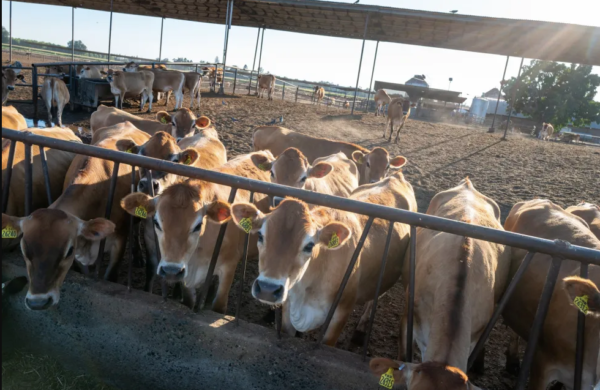
Farmworkers Facing High-Risk Exposures to Bird Flu Testing Efforts Lacking
4 June 2024 – Farmworkers Facing High-Risk Exposures to Bird Flu Testing Efforts Lacking by TheRadamm.com Amid growing concerns in the country over the spread of the bird flu virus among farmworkers, particularly those in dairy farms, federal officials disclosed that testing efforts have been minimal. Reports from May 22 revealed that only a mere 40 individuals associated with U.S. dairy farms had undergone testing for the virus, raising alarms about the adequacy of surveillance measures. Challenges Faced by Farmworkers Farmworkers, who face some of the most intense exposures to the bird flu virus, are grappling with limited resources if they were to fall ill. Elizabeth Strater, Director of Strategic Campaigns for the United Farm Workers, highlighted the plight of these workers, stating that many lack health insurance and paid sick leave, making it unlikely for them to seek medical attention unless severely ill. The situation is compounded by the fact that around 150,000 individuals work in U.S. dairies, with advocates expressing concerns that the virus may have spread to more people than reported. Strater emphasized the passive nature of surveillance efforts, urging for more proactive measures to track infections among at-risk workers. Testing Incentives and Skepticism Federal authorities recently announced a program offering $75 incentives for farmworkers to undergo testing for the virus. However, skepticism looms over the effectiveness of this initiative, as Strater pointed out the financial burden workers would face if they tested positive and were instructed to stay home from work without adequate support. Director of Public Health in Lubbock, Texas, Katherine Wells, acknowledged the concerns of farmworkers, highlighting fears of job loss or being unable to work if they test positive. She noted that while short-term medical care may be provided, it might not cover hospitalization if required, adding to the uncertainty faced by these workers. Cultural and Societal Factors Monica Schoch-Spana, a medical anthropologist at the Johns Hopkins Center for Health Security, underscored the cultural and societal challenges influencing testing efforts. She noted that many farmworkers, often immigrants, may fear attention to their cases could fuel anti-immigrant sentiments, hindering their willingness to seek testing. Furthermore, Director of Research and Public Health Programs Bethany Boggess Alcauter at the National Center for Farmworker Health emphasized the importance of education efforts accompanying testing. She stressed the need for these conversations to be conducted in the farmworkers’ language and with trusted individuals to address their concerns and facilitate understanding of the risks. Read More: Public Health Measures and Preparedness American Public Health Association’s Executive Director, Georges Benjamin, emphasized the importance of assuring workers that their immigration status would not be reported during the investigation. He underscored the need for public health officials to build trust with these communities to enhance testing and surveillance efforts. In light of the potential threat posed by the virus, preparations for a vaccine against the bird flu virus are underway. However, Dawn O’Connell, an administrator at the Department of Health and Human Services, revealed that distribution plans for farmworkers are yet to be finalized, raising questions about equitable access to vaccination. Protective Measures and Future Concerns To mitigate the risk of infection, states have been urged to distribute personal protective equipment to farm owners. However, concerns have been raised about the practicality of such measures in dairy operations, where workers already wear waterproof aprons, boots, and gloves. Strater suggested that plastic face shields could be a more feasible option in such environments. As the virus continues to pose a life threat to agricultural workers, particularly those in close contact with infected animals, vigilance and proactive measures are imperative. The adaptation of the virus to mammals underscores the potential danger it presents, necessitating comprehensive surveillance and protective measures to safeguard the health and well-being of farmworkers.