The German flag during World War I holds a significant place in history, reflecting the era’s complex political and military dynamics. As historians and enthusiasts seek to understand the past, the WW1 German flag emerges as a powerful symbol of the German Empire’s ambitions and identity. This article will explore the design, symbolism, and evolution of this iconic flag, providing a comprehensive guide for those interested in this pivotal period.
Historical Context of the WW1 German Flag
Pre-War Flag Design
Before World War I, Germany was known as the German Empire or the “Kaiserreich,” ruled by Kaiser Wilhelm II. The official flag of the German Empire from 1871 to 1918 featured three horizontal stripes: black, white, and red. This tricolor design was emblematic of the newly unified German state, representing the blending of Prussian black and white with the red of the Hanseatic League.
Changes During WW1
Throughout the war, the German Empire maintained the black, white, and red flag as its national banner. However, specific branches of the military, such as the Imperial German Navy, used variations that included additional symbols. The Reichskriegsflagge, or war flag, incorporated the Iron Cross and a canton featuring the Imperial Eagle, signaling military prowess and national pride.
Symbolism and Meaning
Colors and Emblems
The colors black, white, and red held profound significance within the German Empire. Black symbolized determination and power, white conveyed purity and innocence, and red represented strength and valor. The Iron Cross, a prominent element on military flags, was a Prussian military decoration signifying bravery and heroism.
Comparisons with Other Nations’ Flags
Design Differences and Similarities
During WW1, many nations used flags to express national identity and military strength. The German flag’s bold tricolor scheme distinguished it from the Allied powers, such as France’s blue, white, and red, and Britain’s Union Jack. While all these flags symbolized national unity, the German flag’s incorporation of military symbols like the Iron Cross set it apart as a marker of imperial ambition.
Post-War Developments
Weimar Republic Changes
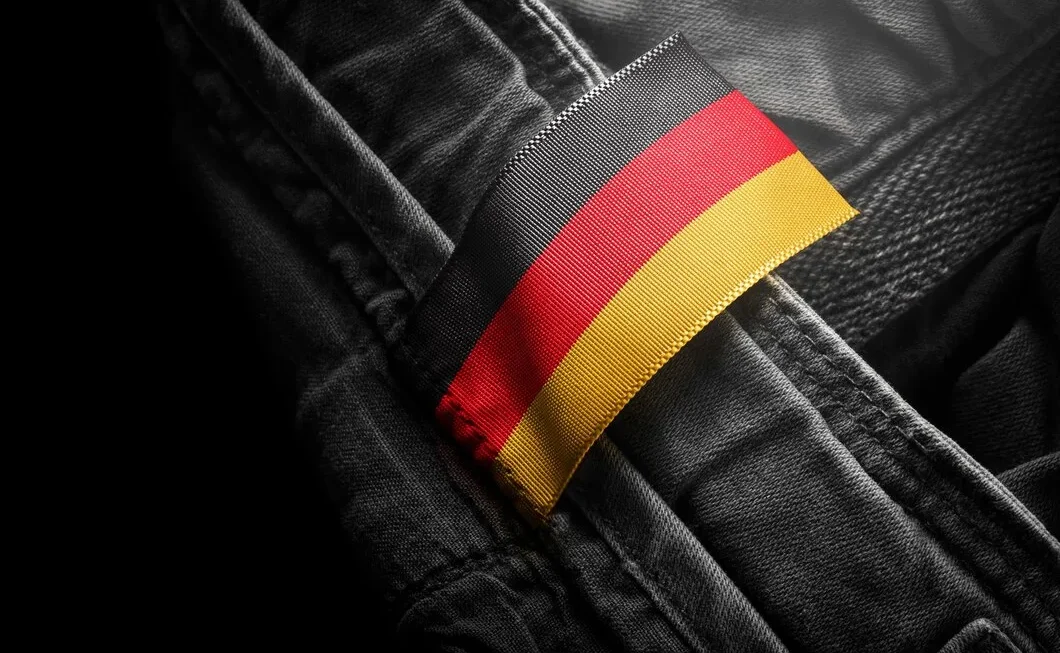
After Germany’s defeat in World War I, the nation underwent significant political transformation, leading to the establishment of the Weimar Republic in 1919. Consequently, the flag was changed to black, red, and gold to symbolize a new democratic beginning. This transition marked a departure from the imperial past, reflecting the nation’s desire to forge a new identity.
Preservation and Collectibles
Tips for Collectors
As interest in WW1 memorabilia grows, collectors seek authentic flags from this era. Genuine WW1 German flags are rare and highly valued. Collectors should look for provenance and condition, as well as expert authentication, when acquiring these historical items. Participating in auctions or consulting with museum curators can provide valuable insights.
Resources and Further Reading
- German War Museum – Explore extensive collections of WW1 artifacts and flags.
- History of Germany – Detailed articles on Germany’s political and military history.
- Imperial Flags – A database of historical German flags and their symbolism.
Key Takeaways
The WW1 German flag stands as a testament to the German Empire’s historical and cultural identity. Its iconic colors and symbols evoke the era’s complex political landscape and military heritage. Understanding this flag’s history allows us to appreciate its legacy and the profound transformations that followed the war.
Frequently Asked Questions
What did the German flag look like during WW1?
The WW1 German flag featured three horizontal stripes of black, white, and red. Military branches, like the Imperial Navy, used variations with symbols such as the Iron Cross.
Why did the German flag change after WW1?
Following WW1, Germany became the Weimar Republic, adopting a new flag with black, red, and gold to symbolize democracy and a break from the imperial past.
Are there surviving examples of WW1 German flags?
Yes, surviving examples are rare but can be found in museums and private collections. Authentic flags are highly sought after by collectors.
What symbols were used on the WW1 German military flags?
WW1 German military flags often featured the Iron Cross and the Imperial Eagle, representing military honor and national pride.
The journey through the history and symbolism of the WW1 German flag reveals much about Germany’s past and its enduring cultural legacy. For those inspired to delve deeper, exploring museum exhibits or engaging with historical societies offers a window into this fascinating era.