Introduction
The German flag, a national symbol with deep historical roots, underwent significant changes during World War I—a period marked by turmoil and transformation. For history enthusiasts and researchers alike, understanding the flag’s evolution during this era provides insights into Germany’s national identity and political landscape. This article explores the historical context, design, symbolism, and evolution of the German flag from 1914 to 1918, offering a detailed look at a pivotal period in German history.
Historical Context of the German Flag
Pre-WW1 German Flags
Before World War I, Germany was unified under the German Empire, established in 1871. The flag of this period, known as the Reichsflagge, featured horizontal stripes of black, white, and red. These colors represented the North German Confederation and the Prussian-led unification of the German states. The flag symbolized the strength and unity of the newly formed empire.
The German Empire Flag (1871-1918)
The German Empire flag was more than just a national symbol; it was an emblem of imperial power and ambition. The black, white, and red colors were deeply rooted in German heraldry, with black and white representing Prussia and the red symbolizing the Hanseatic League. This flag flew over government buildings, military establishments, and was a common sight in public ceremonies.
Changes in the German Flag during WW1
Symbolism and Design
The German flag during World War I retained its black, white, and red tricolor design, but its symbolism evolved. The colors became a rallying point for the German military and were prominently displayed on the battlefield. These colors, representing unity and strength, were used extensively in propaganda to bolster national morale and support for the war effort.
Usage in Military and Civil Contexts
During World War I, variations of the flag were used by different branches of the military. The naval ensign included an iron cross, a symbol of military honor, on its design. Civilian use of the flag was also widespread, as it was a visible representation of patriotism and loyalty to the Kaiser and the German Empire.
Post-WW1 Flag Evolution
Weimar Republic Flag Changes
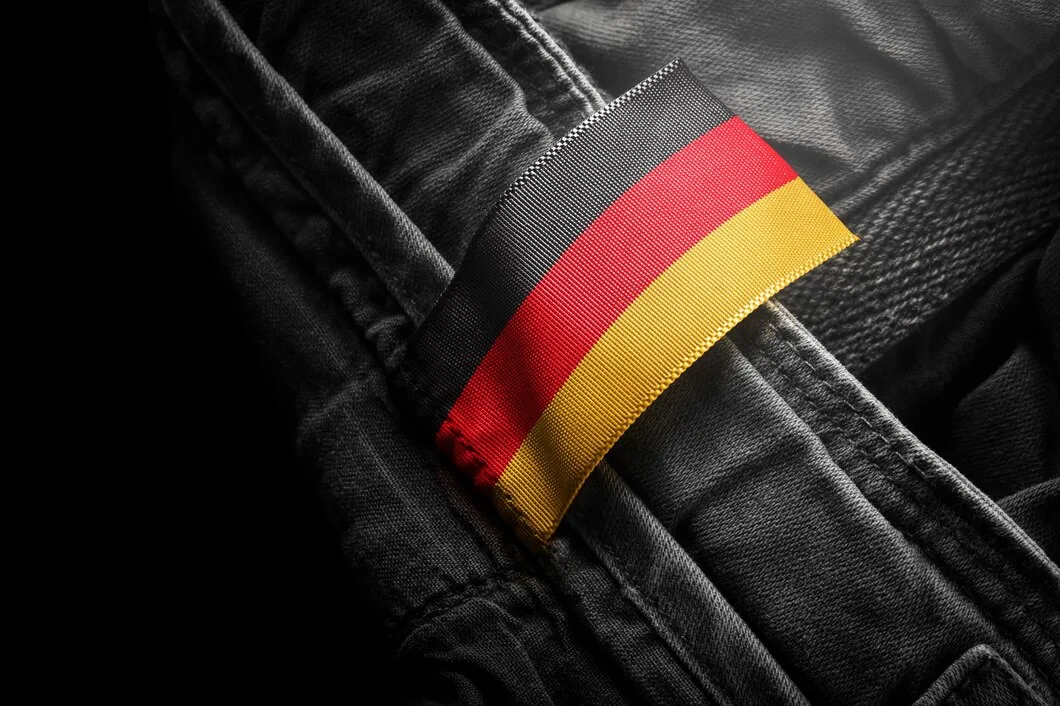
Following Germany’s defeat in World War I and the subsequent abdication of Kaiser Wilhelm II, the Weimar Republic was established. This period saw the adoption of a new flag design: black, red, and gold. These colors, harking back to the 1848 revolutions, symbolized democratic aspirations and marked a departure from the imperial past.
Cultural and Political Significance
The German flag during World War I was a potent symbol of national identity and pride. However, its association with the imperial regime and military defeat led to its eventual replacement. The flag’s evolution reflects broader political changes in Germany, illustrating how national symbols can embody the shifting tides of history.
Conclusion
The German flag during World War I is a testament to a nation in transition. From its imperial roots to its role in wartime propaganda, the flag symbolized both unity and division. Understanding its history provides valuable insights into Germany’s national identity and the broader geopolitical shifts of the early 20th century. As you explore the intricate history of the German flag, consider how these colors have continued to shape perceptions of Germany’s past and present.
Frequently Asked Questions
-
What did the German flag look like during WW1?
The German flag during World War I featured horizontal stripes in black, white, and red. This design represented the German Empire from 1871 to 1918.
-
How did the design of the German flag change after WW1?
After World War I, the Weimar Republic adopted a new flag design with black, red, and gold stripes, symbolizing democratic values and a break from imperial traditions.
-
What was the significance of the colors on the WW1 German flag?
The black, white, and red colors were tied to Prussian heritage and German unity, serving as symbols of national strength and pride during the war.
-
Were there any controversies surrounding the WW1 German flag?
The flag’s association with the imperial regime and its military defeat led to controversy and its eventual replacement post-war, reflecting changing political sentiments.
-
How was the German flag used in WW1 propaganda?
The flag was prominently featured in wartime propaganda to evoke national pride and support for the military efforts, serving as a visual symbol of unity and strength.
For those intrigued by the complex history of national symbols, the story of the German flag during World War I offers a fascinating glimpse into the interplay between identity, politics, and culture.